




High-Volume Respiratory Season is the Super Bowl of Outpatient Care
For outpatient care teams, respiratory season represents the most demanding stretch of the year. Patient volumes surge, visit times shrink, and clinicians are expected to deliver clear answers and confident treatment decisions—often with limited diagnostic clarity and intense time pressure.
It's why many clinicians refer to this period as outpatient care’s playoffs and Super Bowl season. Performance during this time depends on preparation well before volumes peak—and on having the right diagnostic support available during the visit itself.
During a recent webinar, Annie Bell, Vice President of Medical Affairs at Lumos Diagnostics, and Brian Bobb, Senior Medical Officer at WellStreet Urgent Care, discussed how diagnostic uncertainty in outpatient care contributes to unnecessary antibiotic use—particularly during respiratory season, when more than 50% of antibiotics prescribed for acute respiratory infections are unnecessary.
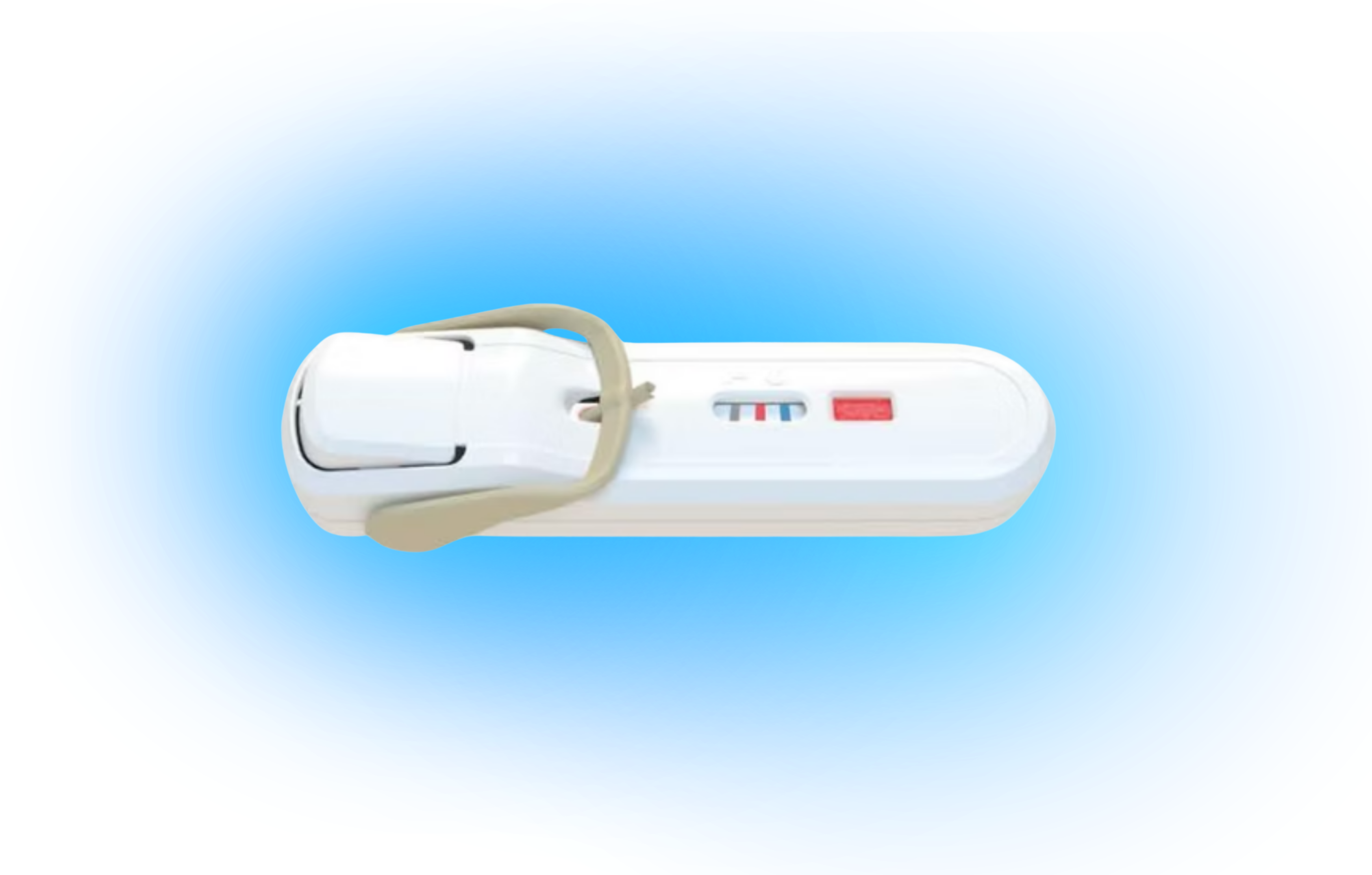
Dr. Bobb then shared how WellStreet approaches antibiotic stewardship in real-world outpatient settings, including how FebriDx® is used to support confident treatment decisions during the patient visit without slowing care.
What High-Volume Respiratory Season Really Looks Like
At the heart of the challenge is volume. During peak respiratory season, clinicians may see 40–60 respiratory patients per day, sometimes more across multi-clinician centers. Visits are short—often 15 minutes or less—yet expectations for clarity, reassurance, and efficiency remain high.
🔍 Call-Out: From the Front Lines
“During this season, we’re flexing up. We’re seeing 40 to 60 respiratory patients per clinician per day. You’ve got 15 minutes—sometimes less—with the patient, and you’re spending over half that time uncertain about what the diagnosis is and trying to figure out your next step.”
— Dr. Brian Bobb, Senior Medical Officer, WellStreet Urgent Care
That uncertainty doesn’t just affect clinicians—it impacts flow, increases callbacks, and can drive unnecessary antibiotic prescribing when answers aren’t available quickly enough.
Preparation Starts Before the Surge
WellStreet’s approach to respiratory season starts early. Preparation isn’t reactive—it’s intentional.
Their teams focus on:
- Robust education around antibiotic stewardship for both clinicians and patients
- Standardized diagnostic and clinical pathways across clinics to maintain consistency
- Systematic workflows that support efficient care during high-volume periods
By standardizing pathways, WellStreet Urgent Care not only manages patient flow more effectively but also generates meaningful data. After respiratory season, that data—along with clinician feedback, patient experience insights, and quality metrics—is reviewed to evaluate what worked, where challenges occurred, and how processes can be improved.
Evaluating Diagnostic Support During the Visit
As part of this broader stewardship strategy, WellStreet evaluated what diagnostic tools were available—particularly those that could support decision-making early in the patient encounter, when timing matters most.
That evaluation led them to assess where FebriDx® could fit into their outpatient workflows.
The question wasn’t simply whether the test worked—but how it could be implemented without disrupting care.
Understanding clinician pain points ahead of time and having open discussions about workflow helped smooth concerns about introducing a new diagnostic tool.
A Triage-First Workflow for Real-World Conditions
While awaiting CLIA waiver, WellStreet piloted FebriDx® in one of their busiest clinics.
To properly evaluate its impact, they built a workflow that started at triage:
- The patient is checked in
- Symptoms are assessed
- The test is initiated early, while the clinician gathers clinical context
With results available during the visit, clinicians could determine whether they already had the information they needed—or whether additional testing was warranted, such as rapid antigen testing (strep, COVID, flu), imaging, or more advanced diagnostics.
The key advantage was timing: insight was available early enough to guide next steps without delaying care.
“Adoption Was Not a Question”
What became clear quickly was that clinicians recognized the value of having diagnostic information available during the visit.
Adoption wasn’t driven by mandate—it was driven by clinical utility.
“Adoption was not a question. Clinicians quickly saw the value of having that bacterial vs. non-bacterial determination early in the visit.”
Having that early insight helped differentiate whether further testing was necessary and supported more confident conversations with patients—without adding friction to already tight workflows.
Reminder: FebriDx® is a rapid, point-of-care immunoassay that aids in differentiating bacterial from non-bacterial etiology, delivering results after 10 minutes from a finger-stick blood sample.
When the Game Is On, Preparation Shows
Respiratory season will always be demanding. But organizations that treat it like a Super Bowl—preparing ahead of time, standardizing workflows, and ensuring diagnostic support is available when it matters—are better positioned to perform under pressure.
For outpatient and urgent care teams, diagnostic preparation isn’t about doing more. It’s about having the right information at the right time to support confident, appropriate care during the busiest season of the year.